“I love being outside. I just don’t love how depleted I feel afterward.”
What appears as low endurance may sometimes reflect the work required to continually adapt.
Designing wearable microclimates for high-exposure environments.
How might wearable materials reduce the physiological and sensory burden of prolonged environmental exposure?
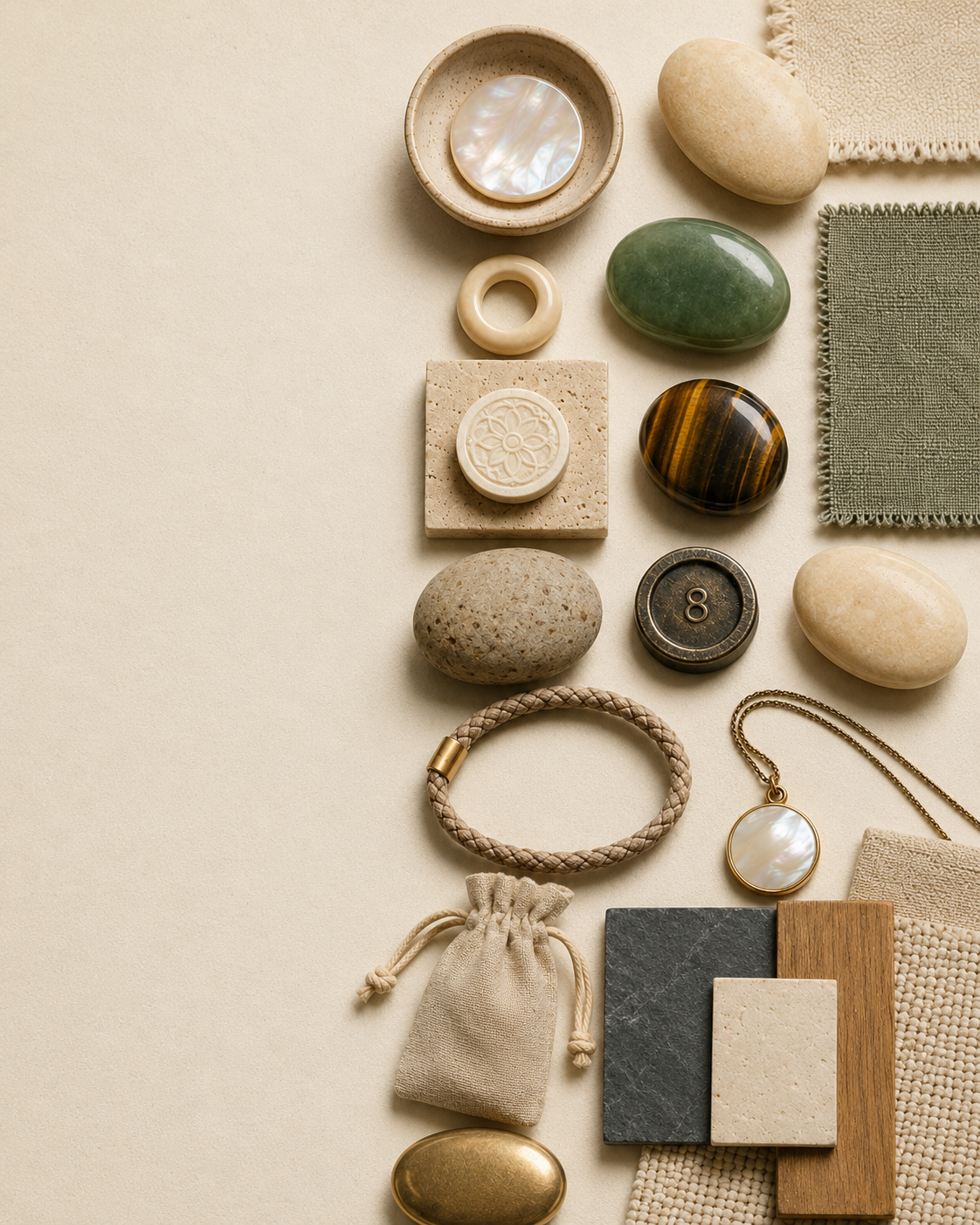
Field Sleeve explores apparel as a body-adjacent environmental interface. It begins not with sensing or alerts, but with material conditions — what reaches the skin, what heat is retained, how the garment feels in motion.
Material study — reduce the demand before a digital intervention becomes necessary.
Most outdoor products focus on protection or performance. Few consider the cumulative effort required to remain comfortable, attentive, and present across changing conditions.
The challenge may not be insufficient resilience. It may be excessive environmental load.
No single exposure explains the experience. The burden emerges through accumulation.
Reduce avoidable heat, UV, and sensory burden during prolonged exposure.
Help me feel steady and comfortable rather than depleted.
Help me remain present in outdoor and shared environments for longer.
Environmental strain often accumulates through multiple small demands rather than one dramatic event. Coverage, airflow, evaporation, surface temperature, fit, texture, and freedom of movement all shape how an environment is experienced.
Instead of asking the wearer to continuously compensate for exposure, apparel might help create a more manageable body-level environment.
The garment is not only protection. It can function as a wearable microclimate.
A speculative apparel concept for prolonged exposure to sun, heat, movement, and high-stimulation environments. No screen. No alert. No required behavior.
Lightweight protection designed to reduce direct UV exposure.
Breathable or mineral-infused fibers explored for moisture movement, evaporation, and perceived cooling.
Differential stretch and support intended to preserve movement while reducing slipping, bunching, and tactile irritation.
Optional soft fringe or mobile detailing that creates a consistent point of bodily reference during movement.
Removable or adjustable elements suited to different environments and sensory preferences.
Potential compatibility with wearable sensing or ambient systems — without making digital functionality necessary for the garment to be useful.
The material itself carries the first layer of support.
Lightweight UPF-rated coverage reduces direct exposure.
The textile supports airflow and moisture movement.
The fit remains stable without requiring repeated adjustment.
The concept does not assume a physiological benefit. It creates a testable material hypothesis.
The sleeve provides consistent coverage and a predictable tactile surface. Optional fringe introduces gentle movement at the edge of attention.
For some wearers, this may offer a point of sensory orientation. For others, it may add stimulation.
The design treats tactile detail as customizable — not universally regulating.
Begin with better material conditions before introducing sensors or automation.
Design for comfort and participation, not only athletic output.
Texture, pressure, motion, and fringe should be adjustable because sensory preferences vary.
The sleeve should provide value without data, charging, or active engagement.
Material benefits should be measured rather than inferred from supplier language.
The concept draws from established categories including UPF apparel, cooling textiles, moisture management, compression garments, sensory supports, and outdoor-performance design.
The complete Field Sleeve configuration has not been fabricated or tested. Claims regarding cooling, circulation, reduced fatigue, physiological regulation, or sensory grounding remain hypotheses until evaluated through material testing and user research.
This turns the case from speculative styling into a credible material-research program.
Material interfaces designed to reduce the effort required to tolerate changing environmental conditions. The opportunity may not be another wearable device — it may be clothing that performs more of the environmental adaptation itself.
Heat and high-exposure conditions are becoming more consequential across work, recreation, and daily life.
Many wearables provide information while leaving the burden of response with the wearer.
Advanced textile construction creates new opportunities to explore cooling, coverage, tactility, and body-level support. The next frontier may not be more measurement — it may be better material conditions.
Sometimes they need fewer demands placed upon them. Before clothing becomes intelligent, it can become more attentive — to heat, to movement, to touch, to exposure, and to the changing capacity of the person wearing it.
The future of wearables may begin not with sensing the body, but with reducing what the body must manage.
Each investigates a shared question: what happens when the surrounding interface carries more of the burden of adaptation?